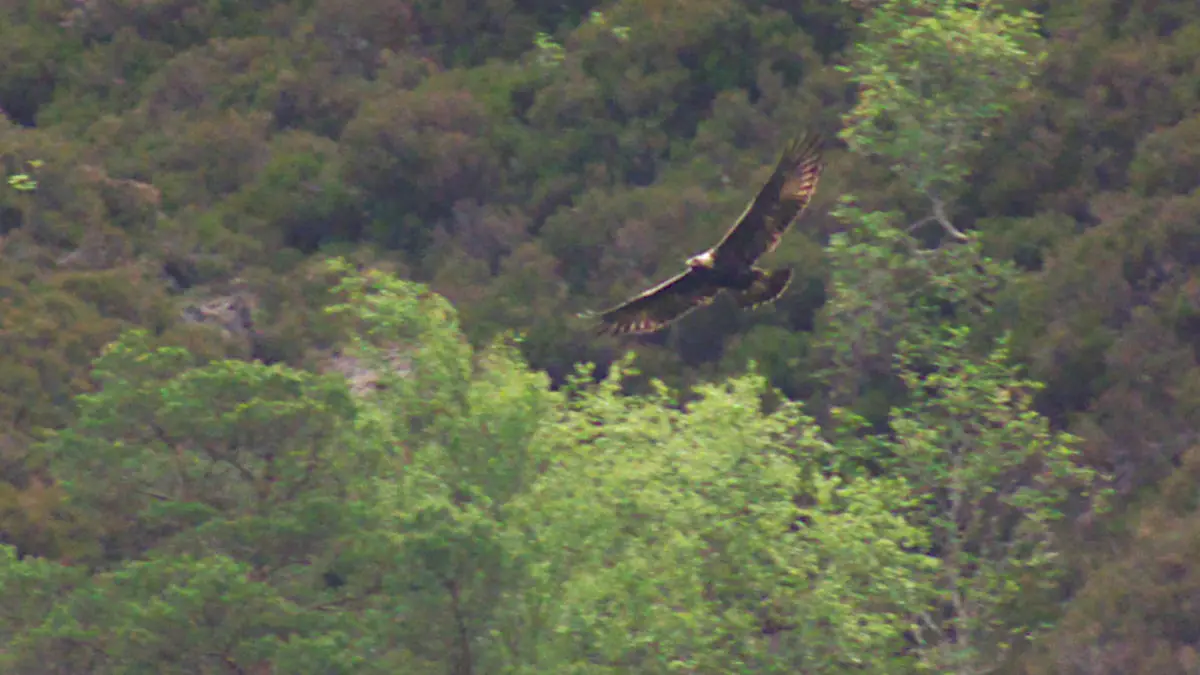
The native wild animals and plants in the Highlands of Scotland are some of the most famous wildlife species in the world.
Every year, thousands of people visit Scotland in search of wildlife. Some come to study and enjoy our fantastic wildflowers, forests and insects, but the majority are searching for our larger native wild animals. Come and learn more about these and the many other species you can find here.
Scotland’s famous wildlife species
Scotland is famous not only for rugged, wild landscapes but also for its native wild animals. So we will begin with an introduction to these star species…

Birds of prey
Scotland has a great list of birds of prey, including golden eagle, white-tailed sea eagle and osprey.

Red squirrel
The red squirrel is one of the rarest mammals in Britain and most of them can now only be found in Scotland. These agile, cheeky and beautifully-coloured rodents mainly live in our old Scots Pine forests.

Pine marten
These canny, inquisitive forest animals were nearly extinct in Scotland. Although they are making a comeback across the country, they are still elusive!

Whale watching in Scotland
We have quite a range of whale and dolphin species inhabiting our waters. They are always thrilling to see and are sometimes sighted from the inter-island ferries.

Deer in Scotland
Red deer are often seen in the Highlands of Scotland and are our largest land animal. Although they are frequently seen on the hills and mountains, they actually prefer to be near the forests.

Puffins and other seabirds
No list of famous animals in the Highlands of Scotland would be complete without puffins! These are one of our star seabirds and, together with gannets, highlight the value of our amazing seabird colonies.
Of course, Scotland is also home to many other famous wildlife species. Birds include red grouse, ptarmigan, capercaillie, Scottish crossbill and dotterel, and mammals such as Scottish wildcat, mountain hare and otter. Furthermore, we have a huge proportion of the worlds grey seals and a rapidly growing population of beavers!

Spring birding in the Cairngorms and more

In addition to our birds and mammals, Scotland has thousands of other wildlife species, many of which are rare and protected. Let’s quickly look at the other main groups.
Native woodland and wildflowers
Firstly, Scotland’s wildlife includes a wide range of protected native woodlands, plant communities and wildflowers. These include, for example, montane scrub, peat moorland, maritime heath, wildflower-rich machair and Caledonian pine forest. Scotland’s marine environment includes rare habitats such as cold water coral maerl beds and kelp forests. Our Atlantic oak woods technically count as rainforests and support huge numbers of mosses, liverworts and lichens. Scotland’s diverse wildflowers include orchids, wintergreens, heathers, carnivorous plants and alpine flowers. Secondly, Scotland has a massive list of fungi. Many of these go unnoticed, but the fairy-tale-like fly agaric, colourful slime moulds and famously tasty chanterelles are all very distinctive.
🪴 Centuries-old folklore is associated with Scotland’s wildlife. For example, some people believed the faeries rode on saddles made from the leaves of the highly magical moonwort!

Butterflies, beetles and other creepy crawlies
Third are the invertebrates (animals without a backbone), which make up the largest proportion of Scotland’s wildlife species. These include many butterflies, moths, dragonflies and some rare and striking ants, bees, wasps and beetles. If you visit the coast (especially with a snorkel, fins and thick wetsuit) you will also likely see various starfish, molluscs, crustaceans, anenomes and jellyfish. A number of blood-sucking species occur that affect humans, including ticks and the dreaded midge.

Fish, frogs and reptiles
About 40,000 animal and plant species (that is, more than half of Scotland’s total wildlife) live in the sea. These include our fourth group, the fish (about 260 species), which include the world’s second largest (the basking shark), the heaviest (the sunfish) and the world famous Atlantic salmon. Fifth and lastly are our 9 amphibian and reptile species, including Britain’s only venomous snake, the adder. This group includes a few unusual reptiles, namely the occassional turtle brought in by the Gulf Stream and of course, Nessie!

Native vs introduced wild animals in Scotland
When many people talk about wildlife in the Highlands of Scotland, they are mainly thinking about a few famous native wild animals like red deer, red squirrel and otter. However, there are some exciting native species which are sadly no longer here.
These species include lynx, elk, brown bear and wolf and they have sadly disappeared due to many centuries of hunting and habitat loss. In contrast, several problemmatic non-native species have been brought into the country (that is, introduced), for example black rat, grey squirrel and American mink.

Reintroduced species in Scotland
In Scotland, this complicated relationship between people and wild animals has lasted over 5000 years. We see this today in the many references to animals in Gaelic placenames, history and folklore. Despite a report descibing Britain as ‘one of the most nature-depleted countries in the world’ *, conservation and rewilding projects are popular in Scotland. Examples of native animals have been reintroduced to the Highlands of Scotland include reindeer, white-tailed sea eagle, capercaillie and beaver. Ospreys returned naturally and the Scottish wildcat population is currently being boosted by captive-bred individuals.
- State of Nature partnership report 2023

Wildlife watching in Scotland
Watching and studying wildlife are popular activities in Scotland. But our rugged terrain and unpredictable weather can sometimes be a challenge. Learn the basics of bird identification, which includes making sure your binoculars are adjusted correctly. The posts What to wear for bird watching and Birdwatching kit list will give you more essential advice. And finally, remember to follow the Scottish Outdoor Access Code.
Where to look for wildlife in Scotland
The Highlands of Scotland is a great place to find many of our key wildlife species. Here’s a few of some of the best places to visit.
Aviemore and the Cairngorms
Scotland’s biggest national park holds about a quarter of Britain’s rare and endangered native animals and plants. The Cairngorms is a huge place, with large areas of wild forest, moor and mountain habitat. Aviemore is one of the main towns in the north and this makes a good base for bird watching and nature study nearby. Its speciality species include birds of prey, dotterel, snow bunting, ptarmigan, mountain hare, Scottish crossbill and crested tit. For more info, check out my post Birdwatching near Aviemore and the Northern Cairngorms.

Isle of Skye
The Isle of Skye is accessible by bridge, meaning you can be seeing your first eagles or otters within minutes of leaving the mainland. With mind-blowing mountain scenery (and sometimes savage weather) the Isle of Skye can produce some really great wildlife encounters.
Isle of Mull
Mull is one of the ‘inner Hebrides’ islands and almost seems designed for watching star Scottish wildlife! Dolphins and whales live offshore, and a good variety of birds of prey inhabit the mountains. It also has a healthy population of otters! Check out my guide to wildlife watching on the Isle of Mull.

Isle of Arran
Arran, also known as ‘Scotland in miniature’ is the furthest south of all the Scottish islands. The mountainous north gives good sightings of golden eagle, while the fields and moors of the south have hen harriers and short-eared owls. And it seems like otters are almost everywhere!
So, we have seen that Scotland in fact has many important wildlife species , include a wide range of animals and plants. Despite thousands of years of human history, the country still has fantastic creatures and wildlife stories. And reintroductions are gradually bringing back long-lost species too! Check out our Recent wildlife sightings for inspiration.

Bird sightings in the Scottish Highlands
Including Aviemore and Cairngorms
The Cairngorms is one of many places in the Scottish Highlands with great birds and other wildlife.
(opens new tab)
Scottish wildlife FAQ
An introduced species is usually a non-native species, brought by humans into a region outside its usual range.
A reintroduced species is usually a native species brought back to its usual range by humans, after becoming extinct there. This may still only be a small, local population.
A native species is ‘one that has been observed in the form of a naturally occurring and self-sustaining population in historical times’ (The Bern Convention 1979 Convention on the conservation of European wildlife and natural habitats). Also, ‘a species or lower taxon living within its natural range (past or present) including the area which it can reach and occupy using its natural dispersal systems’ (ICES 1994 Code of Practice on the Introduction and Transfers of Marine Organisms).
An endemic species is one which occurs in only one specific region in the world. In Scotland, two examples are the Scottish Crossbill and the Scottish Primrose.